
Blog
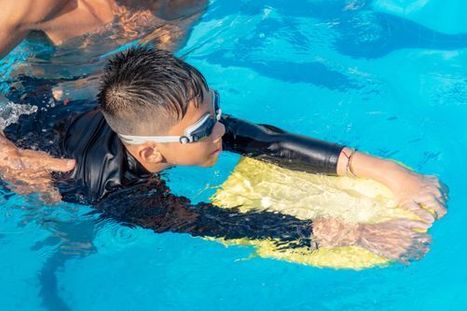
What to Expect During Your Child's First Swim Lesson Hudson Valley Swim Port Chester
Enrolling your child in swim lessons is an exciting step, but it's also natural to have questions before that first class. Will they be comfortable in the water? What will they actually do? Will they be expected to swim right away?
At Hudson Valley Swim Port Chester, we understand that every child starts their swimming journey at a different place. Some children can't wait to jump into the pool, while others need a little extra time to build confidence. That's exactly why our lessons are designed to meet swimmers where they are and help them progress one step at a time.
Your child's first lesson isn't about swimming across the pool. It's about creating a positive experience, building trust with their instructor, and introducing the foundational skills they'll continue developing throughout their swim journey.
We'll Start by Placing Your Child in the Right Class
Every swimmer is different, which is why we offer age and skill-appropriate programs instead of a one-size-fits-all approach.
Our youngest swimmers begin in Pollywog, where parents are in the water alongside their child. As children gain confidence, they progress through programs like Goldfish, Starfish, Lionfish, and beyond, with each level introducing new skills while reinforcing those they've already learned.
more
What to Bring to Your First Swim Lesson in Port Chester, NY: A Complete Checklist
Starting swim lessons is an exciting milestone, whether you're enrolling a young child or learning to swim yourself.
It's normal to have a few questions before your first visit. What should you bring? What should you wear? Is there anything you should do before arriving?
The good news is that preparing for your first swim lesson is simple.
At Hudson Valley Swim, we want every swimmer to feel comfortable and confident from the moment they walk through our doors. Bringing a few essential items, and knowing what to expect, can help make your first lesson a smooth and enjoyable experience.
For families in Port Chester, where many residents enjoy community pools, waterfront parks, and nearby Long Island Sound, arriving prepared helps swimmers begin building confidence from their very first lesson.
Arrive Ready to Swim
One of the easiest ways to prepare is by arriving dressed in your swim attire.
Our facilities include changing pods on the pool deck if you need them after your lesson, but we recommend arriving ready to swim so you can check in, meet your instructor, and get into the water without feeling rushed.
We also recommend arriving a few minutes early for your first lesson. Giving yourself a little extra time helps everyone settle in before class begins and allows you to start your lesson feeling relaxed.
more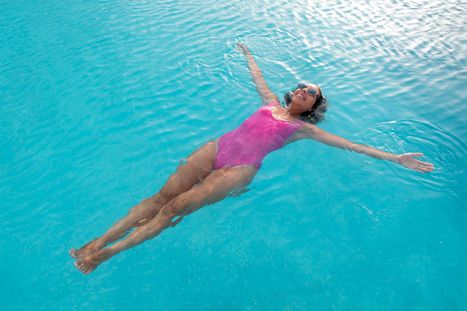
Why Learning to Float Can Save Your Life in Port Chester, NY
When people think about learning to swim, they often picture freestyle, backstroke, or diving into the pool.
But one of the most important water skills isn't a swim stroke at all.
It's learning how to float.
Living in Port Chester means having easy access to community pools, parks, and nearby waterfronts along the Long Island Sound. At Hudson Valley Swim, floating is one of the first skills we introduce in our swim lesson programs because it helps swimmers build confidence, stay calm, and develop the foundation for everything that comes next. Whether someone is a young child taking their first lesson or an adult learning to swim later in life, knowing how to float is one of the most valuable skills they can develop.
While floating alone is not a substitute for knowing how to swim, it is an important survival skill that can make a meaningful difference if someone unexpectedly finds themselves in deep water.
Why Floating Is One of the First Skills Taught
Learning to float isn't simply another milestone in swim lessons. It's one of the building blocks that supports every other swimming skill.
more
Why Consistency Is the Secret to Learning to Swim in Port Chester, NY
Whether you're enrolling your child in swim lessons or learning to swim yourself, it's natural to wonder how quickly progress will happen.
Some people seem to gain confidence in the water almost immediately, while others feel like they're making slower progress. Then life gets busy. A vacation, illness, or a packed schedule leads to a few missed lessons, and it can feel like you're back where you started.
The good news is that this is completely normal.
Learning to swim is much like learning to ride a bike, play an instrument, or speak a new language. Progress doesn't happen overnight. It develops through regular practice, repetition, and growing confidence over time.
In Port Chester, where families are surrounded by pools, parks, and nearby waterfronts along the Long Island Sound, developing strong swimming skills provides confidence both in and around the water.
The biggest factor in long-term success isn't natural talent. It's consistency.
Why Consistency Is the Secret to Learning to Swim in Port Chester, NY
Whether you're enrolling your child in swim lessons or learning to swim yourself, it's natural to wonder how quickly progress will happen.
more
How Long Does It Take Kids to Learn to Swim? A Port Chester Parent’s Guide
For many parents in Port Chester, one of the most common questions before signing up for swim lessons is simple:
“How long will it take for my child to learn to swim?”
The honest answer is that it depends on what “learning to swim” means for your child.
For some swimmers, learning to swim means becoming comfortable in the water, floating independently, and building basic safety skills. For others, it means confidently swimming across the pool, understanding multiple strokes, and feeling comfortable in deeper water.
At Hudson Valley Swim, many children begin building confidence and foundational skills during an 8-week swim session through our swim lesson programs, but swimming is often a gradual process that develops over time. Just like learning to read, ride a bike, or play a sport, progress happens through consistency, repetition, and practice.
The good news is that most families start noticing meaningful progress much sooner than they expect.
What Progress Can Families Expect During an 8-Week Swim Session?
At Hudson Valley Swim, lessons are structured into 8-week sessions to help swimmers build confidence through consistent instruction and repetition. While every child progresses differently, many swimmers begin developing important foundational skills during their first session.
more
When Is the Best Age to Start Swim Lessons in Port Chester, NY?
For many parents in Port Chester, one of the biggest questions about swim lessons is simple:
When should my child start?
Some parents worry their child is too young. Others wonder if they may have waited too long.
The truth is, there is no one “perfect” age for every child. Every child develops differently, and comfort around water often depends on confidence, maturity, and previous exposure to water.
However, most swim professionals agree on one thing:
Earlier exposure to water in a safe, structured environment can help children build confidence and stronger safety habits over time.
For families in Port Chester and throughout Westchester County, water often becomes a bigger part of life once warmer weather arrives. Between neighborhood pools, beach trips near the Long Island Sound, vacations, camps, and waterfront outings, children are often around water more than parents initially expect.
For many families, swim lessons are not just about learning strokes. They are about helping children become safer, more confident, and more comfortable around water.
Why Starting Swim Lessons Earlier Can Make a Difference
Many parents wait until summer begins, an upcoming vacation approaches, or pool season ramps up before thinking about swim lessons.
more
Why Teaching Your Kids to Swim Is Not Enough in Port Chester, NY
For many parents in Port Chester, enrolling a child in swim lessons feels like an important milestone.
Once your child learns how to swim, it is easy to feel like the biggest risks around water are behind you.
The reality is more complicated.
Teaching your child to swim is one of the best things you can do for their safety, but it is only one piece of the puzzle.
Whether your family spends summers at the neighborhood pool, weekends near the Long Island Sound, vacations at the beach, or afternoons around hotel pools, parents are often the first person expected to respond if something goes wrong.
If a child panics in deeper water, drifts too far from shore, or experiences an emergency near the pool, a parent’s own confidence around water can make a major difference.
Water safety is not just a skill for children. It is a family skill.
The Hidden Truth: Many Adults Feel More Comfortable Around Water Than They Actually Are
Many adults assume they know how to swim simply because they can stay afloat or make it across a pool.
However, there is often a major difference between feeling comfortable in the water and being prepared for an emergency.
more
CPR, Drowning Prevention, and Water Safety: What Port Chester Parents Should Know
May is National Water Safety Month, making it the perfect time for families in Port Chester to think proactively about swim safety, drowning prevention, and emergency preparedness.
For many families in Port Chester and throughout southern Westchester County, warmer weather means more time around water. Whether it is afternoons at the pool, Long Island Sound beaches, waterfront parks, summer camps, or family vacations, children are often exposed to water more frequently once school lets out.
While those experiences create lasting memories, they also reinforce an important reality: water confidence and safety skills should never be taken for granted.
Understanding drowning risks, recognizing emergencies, and helping children develop stronger swim safety skills can all play an important role in keeping families safer around water.
Why Water Safety Matters More Than Many Families Realize
Many parents assume water safety simply means watching children carefully near a pool. While supervision is incredibly important, drowning prevention is often more complex than people realize.
One of the biggest misconceptions about drowning is that it looks dramatic. In reality, drowning is often silent and can happen in a matter of seconds. Children rarely splash or yell for help the way movies portray.
more
The Importance of Water Safety Month in Port Chester, NY
May marks the annual recognition of National Water Safety Month, a nationwide initiative focused on drowning prevention, swim safety, and water awareness. In communities like Port Chester, where families spend summers around pools, lakes, beaches, and waterfront areas, water safety becomes especially important this time of year.
As temperatures begin to rise across Westchester County, more families start preparing for vacations, pool days, boating trips, camps, and weekends near the water. While these activities create lasting memories, they also increase the importance of swim readiness and water awareness for both children and adults.
Water Safety Month serves as a reminder that while water recreation is a normal part of summer life, safety around water should never be taken for granted.
Why Water Safety Matters
One of the biggest misconceptions about drowning is that it looks dramatic or obvious. In reality, drowning is often silent and can happen in seconds. According to CDC data, drowning remains one of the leading causes of accidental death for children ages 1 to 4.
Incidents can happen quickly even when adults are nearby. Many child drownings occur during brief lapses in supervision, and children struggling in the water may not splash or call for help the way many people expect.
more
The Benefits of Swimming for Children's Physical and Mental Health
Swimming is not only a fun and refreshing activity for children but also offers a wide array of physical and mental health benefits. Let's delve into the numerous advantages that swimming provides for children's overall well-being.
Physical Development
· Swimming is a low-impact, full-body exercise that significantly contributes to a child's physical development. It encourages healthy growth and aids in the development of strength, coordination, and balance. Additionally, it equips children with essential water safety skills, making it a holistic exercise for their physical well-being.
Brain Development
· Studies have shown that children who learn to swim earlier reach developmental milestones including speech, literacy, numeracy, and visual-motor skills much earlier than their peers and non-swimmers. Furthermore, swimming can help improve memory, mood, clarity, focus, and sleep, ultimately aiding in stress reduction and improved behavior.
Stress Relief
· The release of endorphins during swimming combats stress hormones, and the rhythmic actions of swimming positively counteract the symptoms of stress. The water's inherent properties also provide a relaxing and stress-relieving environment for children.
more
Saving Lives: A Parent’s Guide to Preventing Childhood Drowning
Drowning is a significant and preventable cause of death among children, with children aged 1-4 being particularly vulnerable. According to a study by the CDC, drowning deaths in the United States have seen an alarming increase, with over 4,500 deaths annually from 2020-2022, indicating a rise in drowning rates compared to previous years.
Alarming Statistics
- Drowning is the number one cause of death for children aged 1-4 in the United States, with the highest drowning rates among this age group.
- The study found that almost 40 million adults (15.4%) in the United States do not know how to swim, and over half (54.7%) have never taken a swimming lesson.
- Particularly concerning is the fact that 63% of Black adults and 72% of Hispanic adults reported never taking a swimming lesson.
Importance of Swimming Lessons
The study revealed a protective association between past participation in formal swimming lessons and the risk of drowning in children aged 1 to 4 years, indicating an 88% reduction in the risk of drowning among those with swimming lessons. This underscores the importance of swimming lessons in preventing childhood drowning.
more
The Importance of Children Swimming Year-Round for Independence and Summer Safety
Swimming is a crucial life skill for children, offering not only physical and mental health benefits but also instilling a sense of independence and safety, particularly during the summer. According to the Centers for Disease Control and Prevention (CDC) approximately 79% of children spend time near the water during the summer, whether it’s a pool, lake, or a beach. Embracing swimming as a year-round activity for children can significantly enhance their confidence, competence in the water, and ensure a safe and enjoyable summer experience.
The Significance of Year-Round Swimming for Children
Physical Health and Development
- Swimming provides an excellent form of physical exercise for children, promoting cardiovascular health, muscle development, and overall fitness.
- Regular swimming from an early age can contribute to the development of strong motor skills and coordination.
Water Safety
- Year-round swimming enables children to continuously improve their water safety skills, equipping them to handle potential water-related emergencies.
- According to data from the American Red Cross, only 64% of children who spend time near the water in the summer have basic swimming skills. Familiarity with water safety guidelines and practices from regular swimming can significantly reduce the risk of accidents during summer water activities.